Your roof is one of the most important systems protecting your home from the elements. In North Vancouver and West Vancouver, that protection is put to the test year-round by heavy rainfall, coastal moisture, windstorms, falling debris, and changing temperatures.
While every roof will eventually need to be replaced, the warning signs aren’t always obvious. Many homeowners assume they’ll notice a major leak before replacement becomes necessary. In reality, most roofing systems show several signs of deterioration long before water starts dripping through the ceiling.
Recognizing these warning signs early can help you avoid costly emergency repairs, protect your home’s structure, and plan your roof replacement on your own timeline rather than during the middle of a storm.
Why Roofs Age Differently on the North Shore
One of the challenges of determining roof lifespan in North Vancouver and West Vancouver is that no two properties experience the same conditions.
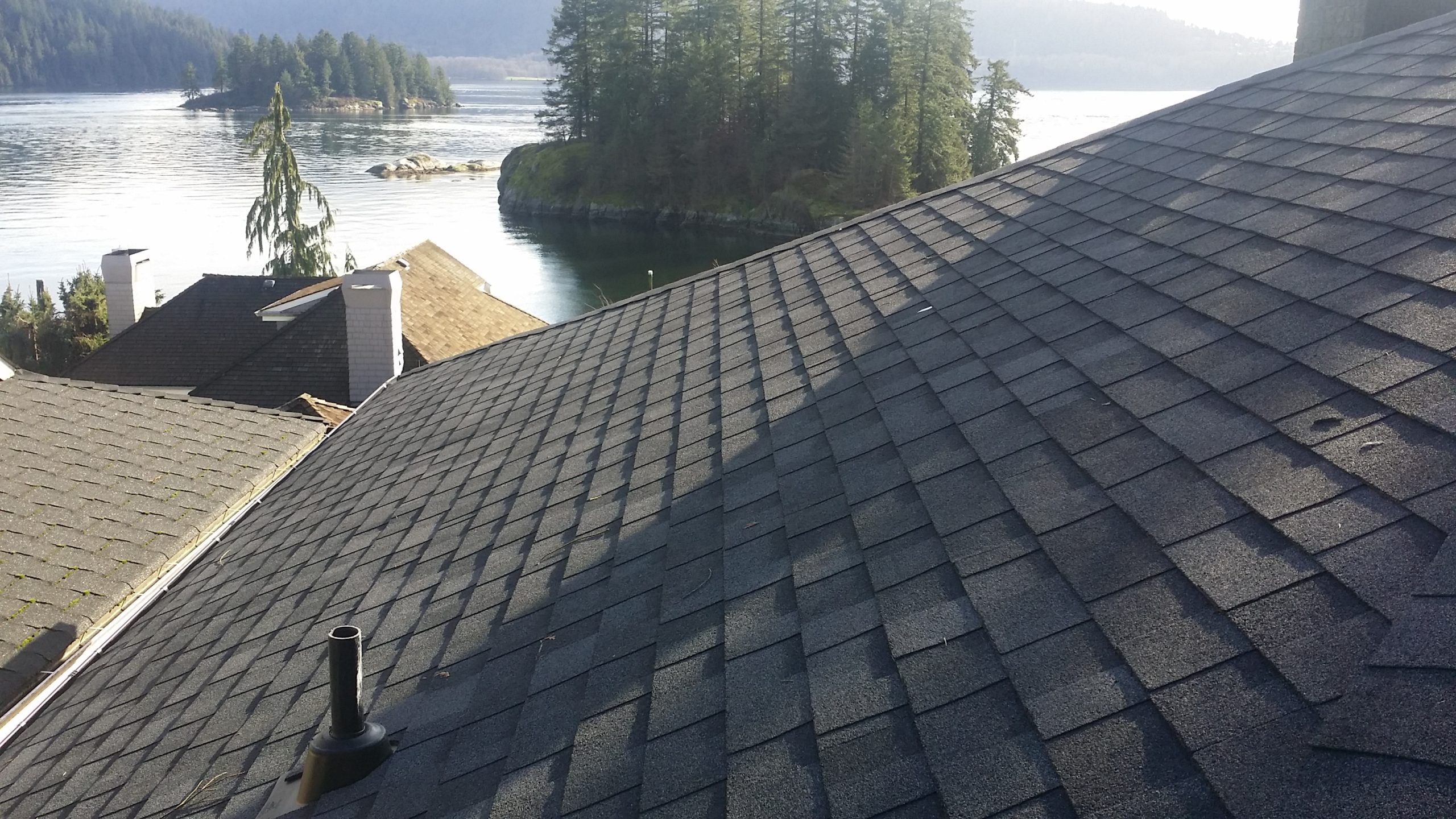
A home near the waterfront in Dundarave or Caulfeild may be exposed to salt-laden air that accelerates corrosion of metal components and flashing. A property tucked into the forests of Lynn Valley, Deep Cove, or British Properties may deal with constant shade, moisture retention, moss growth, and falling branches.
Even two homes built side-by-side can experience different rates of wear depending on:
- Sun exposure
- Tree coverage
- Roof ventilation
- Roof slope
- Roofing material
- Proximity to the ocean
- Maintenance history
This is why regular roof inspections are so important for North Shore homeowners.
1. Your Roof Is Approaching the End of Its Expected Lifespan
Age alone doesn’t automatically mean a roof needs replacement, but it is often the first indicator that it’s time for a professional evaluation.
Typical lifespans include:
- Asphalt shingles: 20 to 40 years
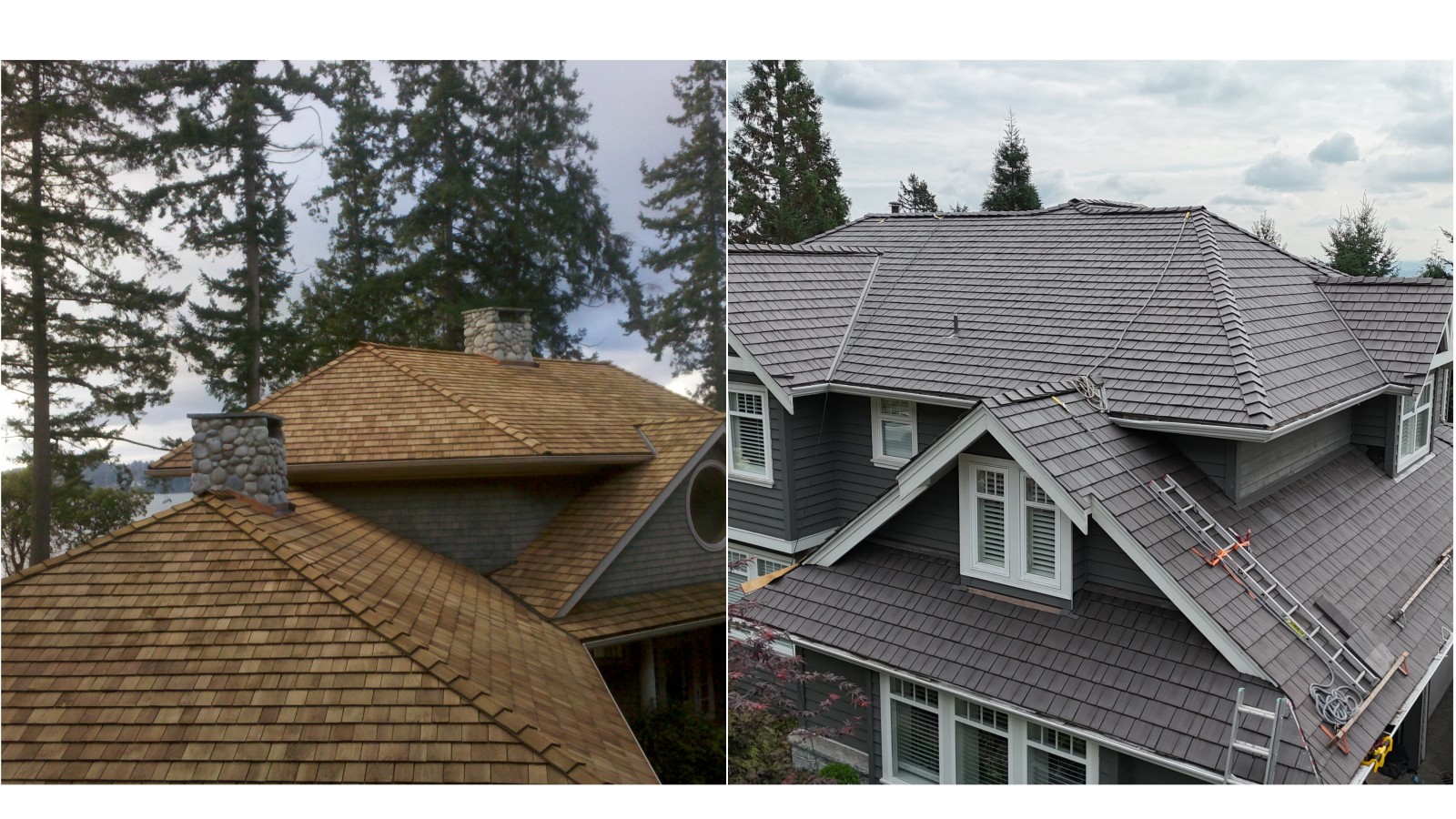
- Cedar roofing: 20 to 30 years depending on maintenance
- Metal roofing: 50+ years
- Enviroshake and Enviroslate roofing: 50+ years
If your roof is nearing the end of its expected lifespan, small issues can quickly become larger problems. A roof inspection can help determine whether repairs are still practical or if replacement would be the more cost-effective long-term solution.
The expected lifespan of a roof depends heavily on the material installed. Homeowners interested in learning more about the different roofing materials available for North Shore homes should compare the durability, maintenance requirements, and long-term value of each roofing system.
2. Missing, Curling, or Damaged Shingles
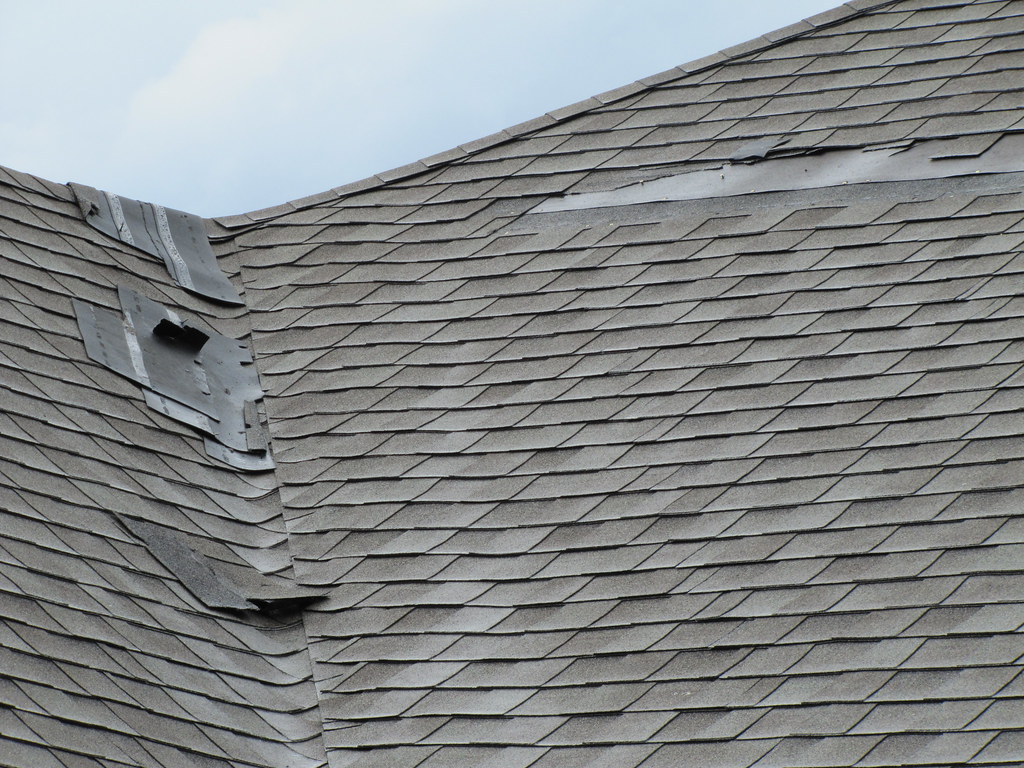
Damaged shingles are one of the most visible signs that a roof is beginning to fail.
Look for:
- Missing shingles
- Curling edges
- Cracking
- Splitting
- Loose shingles after windstorms
These issues are particularly common on older asphalt roofs throughout North and West Vancouver.
Strong winter winds, temperature fluctuations, and years of moisture exposure gradually weaken roofing materials. Once shingles begin to fail, water can find its way beneath the roofing system and into the underlying structure.
3. Moss Keeps Coming Back
Moss is one of the most common roofing concerns on the North Shore.
Homes surrounded by mature trees often experience persistent moss growth because shaded roofs stay damp longer after rainfall.
Areas particularly prone to moss accumulation include:
- Lynn Valley
- Upper Delbrook
- Princess Park
- Deep Cove
- British Properties
- Cypress Park
While moss itself doesn’t always mean a roof needs replacement, excessive moss growth can:
- Trap moisture against roofing materials
- Accelerate shingle deterioration
- Lift shingles
- Increase the risk of leaks
If moss continues returning despite maintenance efforts, it may be a sign that the roof’s surface is deteriorating and nearing the end of its useful life.
If an aging roof is experiencing recurring moss issues, it may be worth exploring eco-friendly roofing alternatives such as Enviroshake, which are designed to resist moisture-related deterioration while providing the appearance of natural cedar.
4. Granules Are Collecting in Your Gutters
Asphalt shingles are coated with protective granules that shield them from UV exposure and weathering.
Over time, these granules wear away.
Common signs include:
- Granules collecting in gutters
- Bare spots on shingles
- Dark patches across the roof
- Uneven roof appearance
Granule loss is often a warning that asphalt shingles are losing their ability to protect your home effectively.
If significant granule loss is occurring across large areas of the roof, replacement may be more practical than ongoing repairs.
5. Frequent Leaks or Repeated Repairs
Every roof may require occasional maintenance.
However, when leaks and repairs become a recurring issue, it’s often a sign of a larger problem.
Many homeowners continue repairing isolated sections year after year because each repair seems manageable. Eventually, though, the cumulative cost of repairs can approach the cost of a replacement while the roof continues to age.
If you’ve repaired multiple leaks in recent years, it may be time to evaluate the overall condition of the roofing system.
6. Water Stains Inside the Home
Sometimes the first sign of roof failure appears inside the house rather than on the roof itself.
Watch for:
- Ceiling stains
- Discoloured drywall
- Peeling paint
- Damp attic insulation
- Mold growth
- Musty odours
By the time these symptoms appear, water may have been entering the home for some time.
Because North Vancouver and West Vancouver receive significant annual rainfall, even small leaks can quickly lead to more extensive damage if left unresolved.
7. Cedar Roofing Is Splitting or Breaking Down
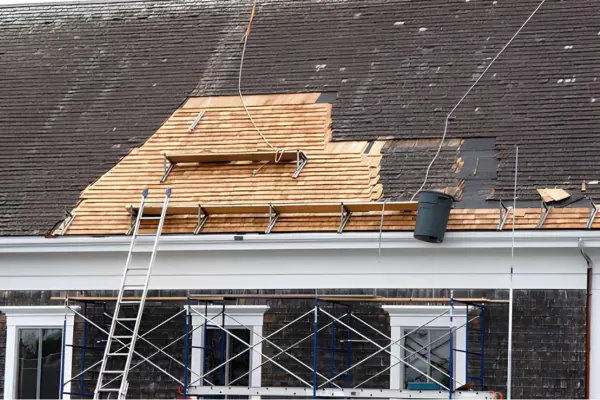
Cedar roofs remain a popular choice throughout many North Shore neighbourhoods because of their natural beauty and architectural character.
Over time, however, cedar roofing may begin to show signs of aging such as:
- Splitting shakes
- Cupping
- Surface erosion
- Rotting sections
- Excessive moss growth
If a cedar roof is approaching 20 to 30 years of age and showing multiple signs of deterioration, replacement may be necessary to maintain proper weather protection.
Homeowners with cedar roofs can learn more about proper installation, maintenance, and expected performance standards through the Cedar Shake & Shingle Bureau, a leading authority on cedar roofing products.
8. Corrosion on Flashing and Roof Components
Homes near the waterfront often experience a unique challenge: salt exposure.
Neighbourhoods such as:
- Dundarave
- Ambleside
- Horseshoe Bay
- Eagle Harbour
- Waterfront areas of Lower Lonsdale
can expose roofing components to increased corrosion over time.
Even if the primary roofing material remains in good condition, deteriorated flashing around:
- Chimneys
- Skylights
- Roof vents
- Valleys
can create pathways for water intrusion.
A roof inspection can determine whether isolated repairs are sufficient or whether broader replacement work is warranted.
9. Sagging Areas of the Roof
A roof should maintain straight, consistent lines.
If portions of the roof appear to sag or dip, this could indicate:
- Structural deterioration
- Water damage
- Rotting roof decking
- Long-term moisture issues
Sagging should always be evaluated promptly, as it may indicate damage extending beyond the roofing material itself.
Don’t Wait for a Leak to Make the Decision
One of the most common misconceptions homeowners have is that a roof only needs replacement once it begins leaking.
In reality, waiting for a major leak often means additional costs associated with:
- Drywall repairs
- Insulation replacement
- Mold remediation
- Structural repairs
- Interior finishing work
Replacing an aging roof before serious water intrusion occurs can often save money and significantly reduce stress.
Frequently Asked Questions About Roof Replacements
How do I know if I need a roof repair or a full roof replacement?
A professional roof inspection is the best way to determine this. Isolated damage can often be repaired, while widespread deterioration, recurring leaks, or an aging roofing system may make replacement the more cost-effective option.
What is the average lifespan of a roof in North Vancouver?
It depends on the roofing material and site conditions. Asphalt roofs typically last 20 to 40 years, cedar roofs 20 to 30 years, while metal roofing and composite roofing systems can often last 50 years or more with proper installation and maintenance.
Does moss mean I need a new roof?
Not necessarily. Moss can often be removed and managed through maintenance. However, excessive moss growth combined with aging shingles, granule loss, or recurring leaks may indicate that replacement should be considered.
Can salt air damage a roof in West Vancouver?
Yes. Homes near the waterfront can experience accelerated corrosion of flashing, fasteners, and other metal roofing components due to constant exposure to salt-laden air. Regular inspections are recommended for coastal properties.
When should I schedule a roof inspection?
Most roofing professionals recommend an inspection every few years, as well as after major storms. If your roof is over 15 to 20 years old or you’re noticing any warning signs of deterioration, scheduling an inspection sooner is advisable.
Protect Your North Shore Home with a Professional Roof Inspection
Every roof ages differently, especially in the diverse conditions found throughout North Vancouver and West Vancouver.
Whether your home is exposed to coastal salt air, surrounded by towering trees, or simply approaching the end of its roof’s expected lifespan, a professional inspection can provide clarity about the condition of your roofing system.
Scheduling a professional roof inspection in North Vancouver can help identify potential problems before they develop into costly repairs or interior water damage.
If you’re considering a roof replacement, you may also want to read our guide on how a new roof can increase your home’s value in North Vancouver, which explains how roofing upgrades can improve curb appeal, buyer confidence, and long-term resale value.
At Eco Exteriors, we provide honest roof inspections and expert recommendations based on the actual condition of your roof. Sometimes a repair is all that’s needed. Other times, a roof replacement is the smartest long-term investment.
Understanding the warning signs early helps you make an informed decision before small issues become major problems.