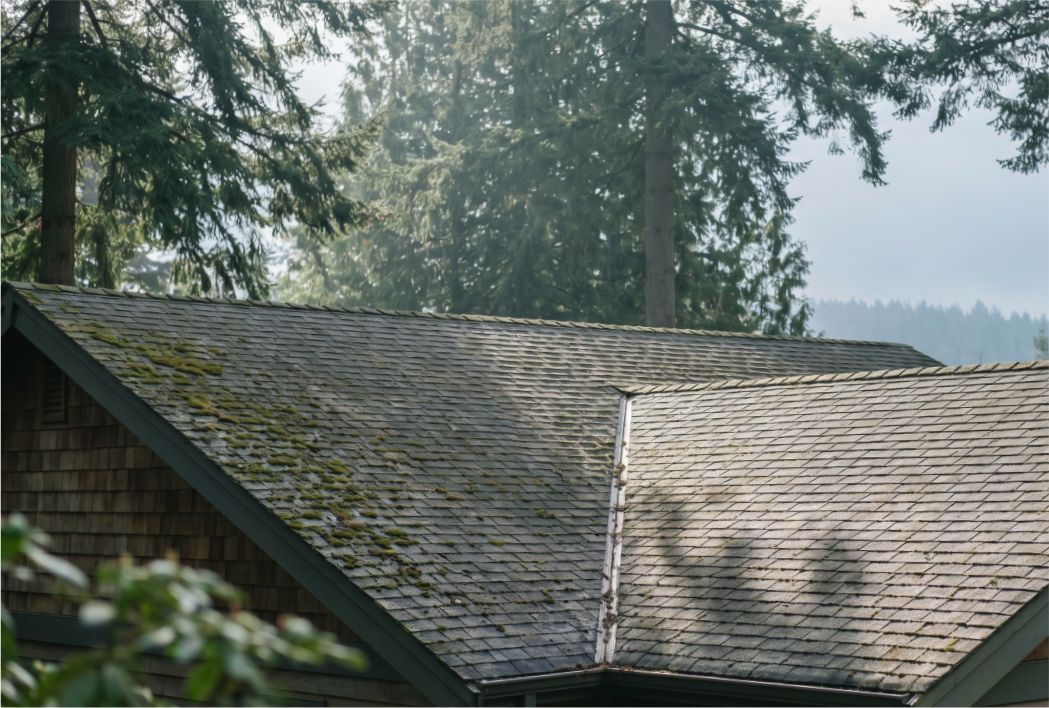
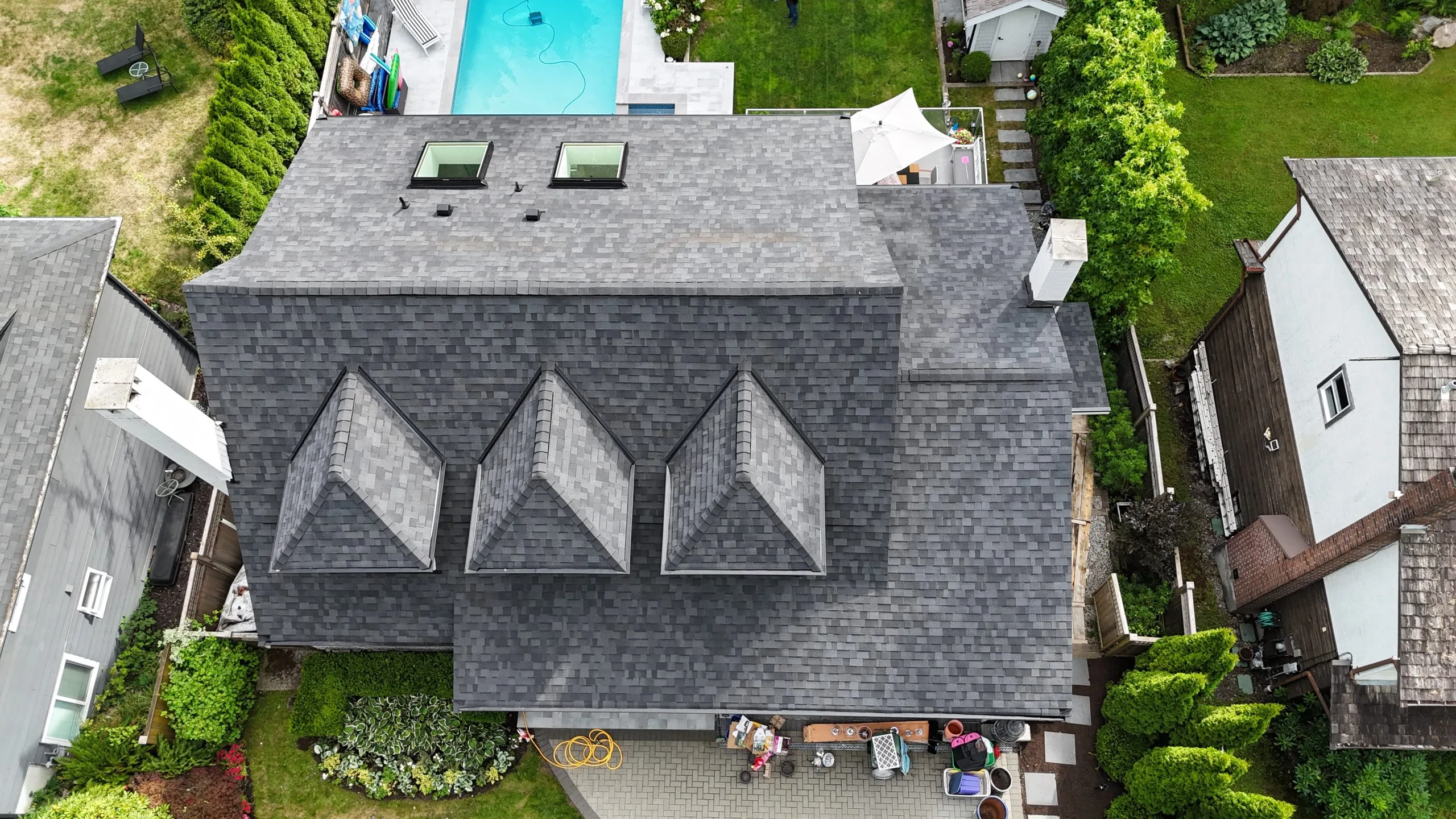
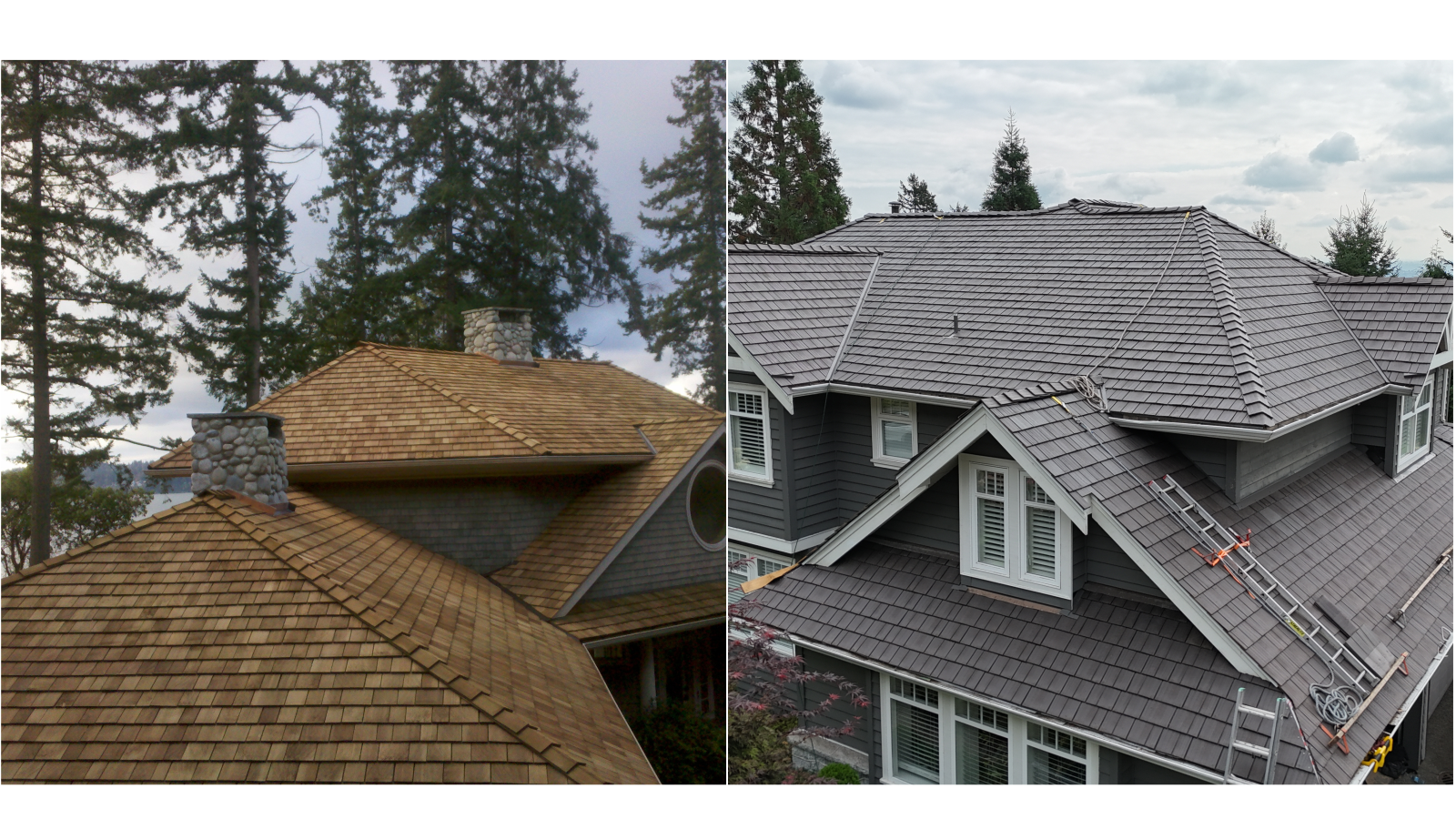
Moss-covered roofs are a familiar sight throughout North Vancouver. With frequent rainfall, damp coastal weather and mature trees surrounding many neighbourhoods, local roofs often experience the conditions moss needs to thrive.
While a little green growth might seem harmless, moss can retain moisture against roofing materials and, over time, contribute to deterioration and drainage problems. Understanding where moss grows, how to prevent it and which roofing materials are better suited to damp conditions can help homeowners protect their roofs and avoid unnecessary maintenance.
Why Is Moss So Common on North Vancouver Roofs?
North Vancouver’s coastal climate creates an ideal environment for moss growth. Rainfall is particularly heavy through the fall and winter, while shaded areas may receive very little direct sunlight to help roofing surfaces dry.
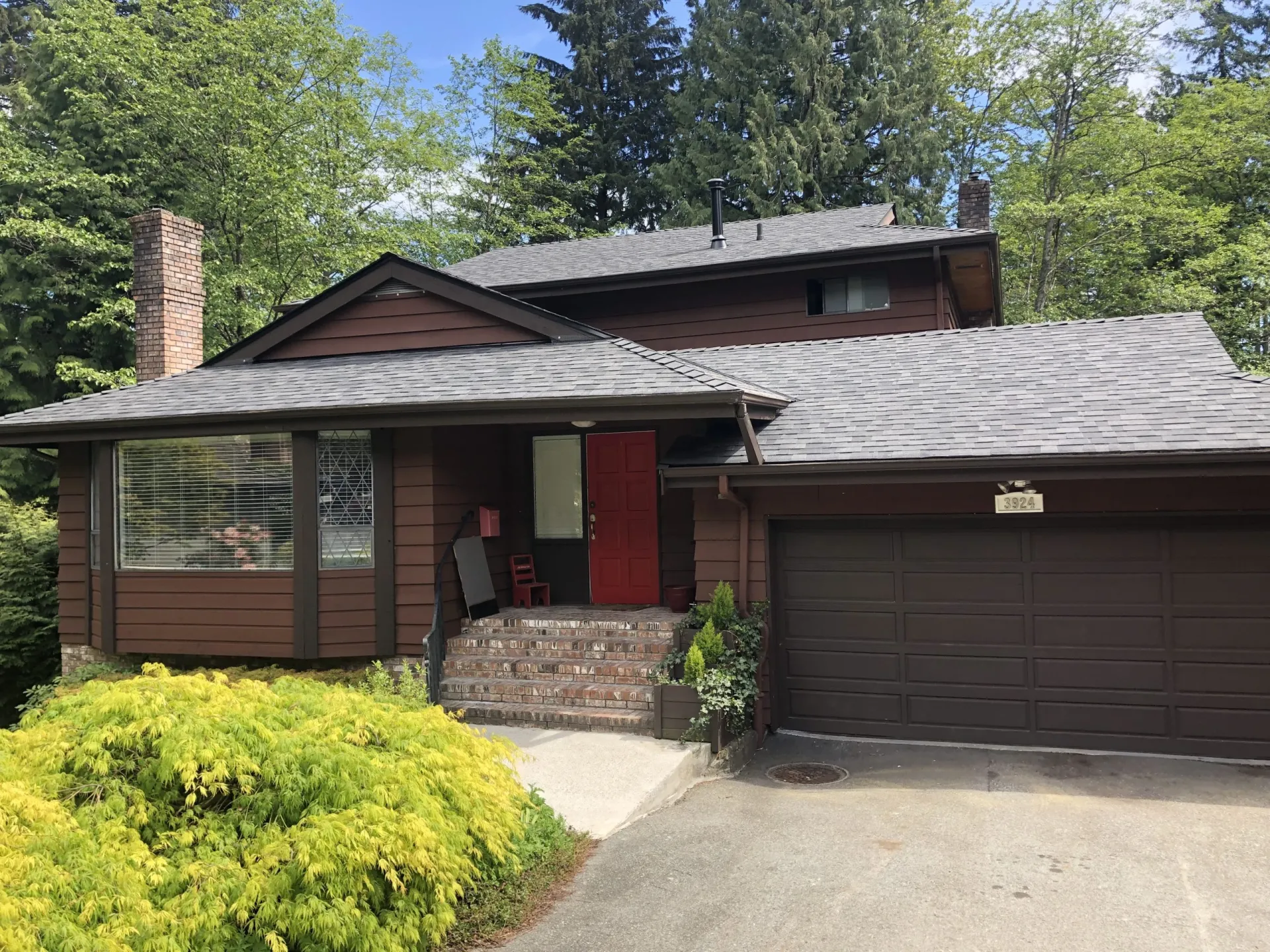
Mature evergreen trees, overhanging branches and densely wooded properties add to the challenge. Roofs surrounded by trees often collect leaves, needles and other organic debris, which can hold moisture and encourage moss to establish.
These conditions mean that even a well-installed roof may require periodic attention to keep moss and debris under control.
Where Is Moss Most Likely to Grow?
Moss does not grow evenly across a roof. It tends to establish in areas where moisture lingers and sunlight is limited.
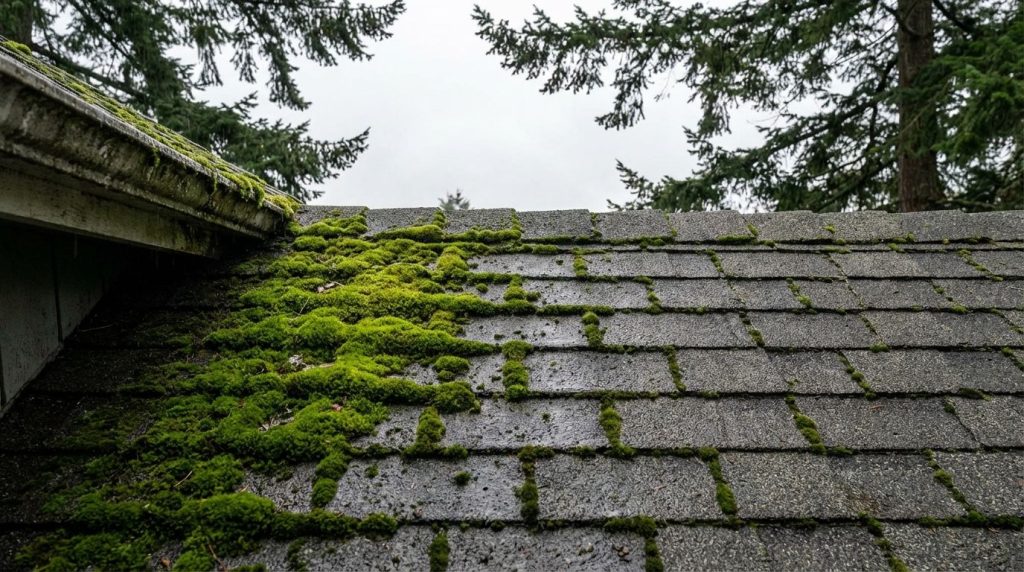
Common problem areas include:
- North-facing roof slopes: These receive less direct sunlight and often remain damp for longer.
- Under overhanging trees: Branches create shade, while falling leaves and needles collect on the roof.
- Roof valleys and drainage areas: Debris can accumulate in these areas and prevent water from draining freely.
- Around chimneys and dormers: Changes in roof shape and areas of shade can create places where moisture and debris collect.
- Along roof edges: Water and organic debris may accumulate around eaves and gutters, particularly where drainage is restricted.
Regularly checking these areas can help homeowners spot early moss growth before it becomes more established.
How Does Moss Affect Your Roof?
Moss can cause more than an aesthetic problem. As it grows, it holds moisture against the roofing surface, potentially accelerating wear and deterioration.
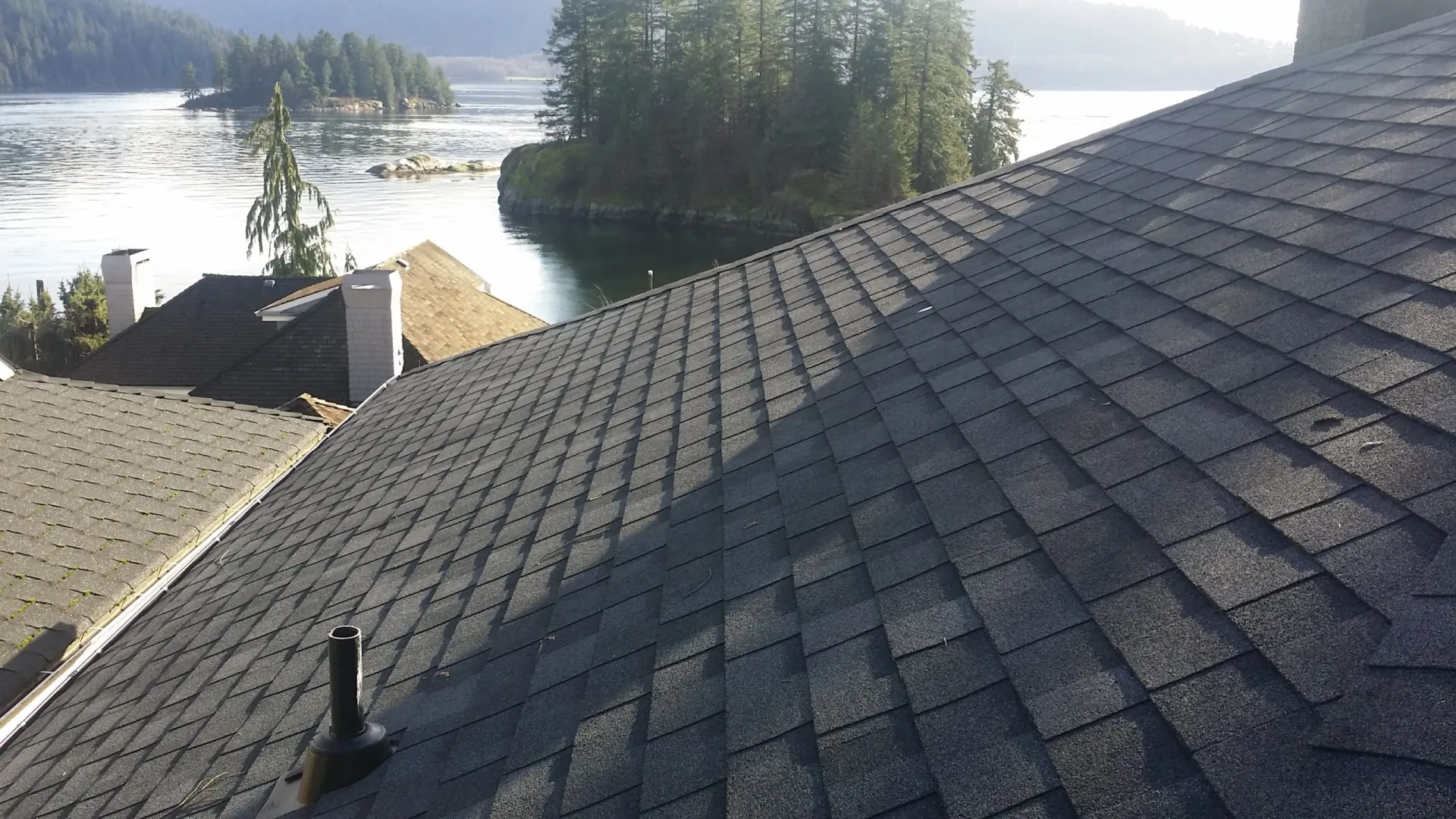
On asphalt shingles, established moss can work beneath shingle edges and disturb the surface. It can also interfere with the natural flow of water across the roof. On other roofing materials, the effects will depend on the material’s surface, condition and installation.
The longer moss is left unmanaged, the more difficult it can become to address. Regular inspections and preventative maintenance are particularly important in areas such as North Vancouver, where damp conditions can persist for months.
How to Prevent Moss on Your Roof
Although North Vancouver’s climate makes moss difficult to avoid entirely, a few practical maintenance steps can help reduce its growth.
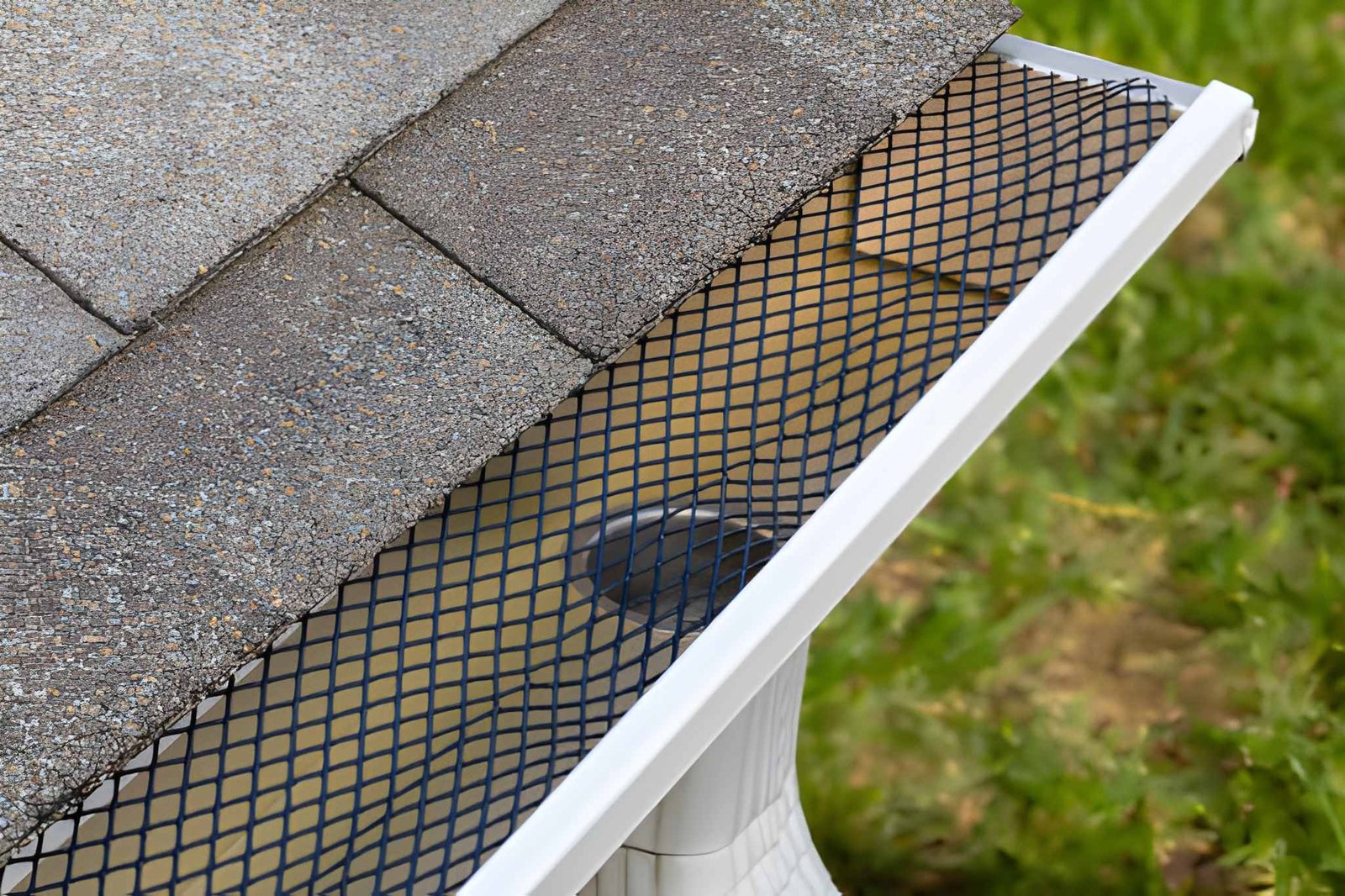
Keep gutters and downspouts clear. Blocked gutters prevent water from draining properly and can contribute to moisture problems around the roof edges.
Remove leaves and debris. Organic material collects moisture and creates favourable conditions for moss. Pay particular attention to valleys and areas beneath trees.
Trim overhanging branches where practical. Reducing excessive shade and allowing better airflow can help roof surfaces dry more quickly.
Arrange periodic roof inspections. An inspection can identify early moss growth, drainage concerns, damaged shingles and other issues before they become more serious.
Use appropriate moss treatments. If treatment is necessary, choose a product suitable for your roofing material and follow the manufacturer’s recommendations. Avoid aggressive scraping and pressure washing, which can damage roofing surfaces.
A consistent maintenance routine is generally more effective than waiting until moss has become widespread.
For more seasonal advice on protecting your roof from the elements, take a look at our North Vancouver Homeowner’s Fall & Winter Roof Maintenance Guide, where we cover essential maintenance steps to help prepare your roof for the wetter months ahead.
North Vancouver Roof Moss Prevention Checklist
Use this simple checklist to help keep your roof in good condition throughout the year.
- Inspect your roof annually.
- Check shaded and north-facing roof slopes.
- Trim overhanging branches where appropriate.
- Remove accumulated leaves and needles.
- Keep gutters and downspouts clear.
- Ensure roof valleys remain unobstructed.
- Address moss growth before it becomes extensive.
- Avoid aggressive scraping and pressure washing.
- Use only treatments suitable for your roofing material.
- Arrange professional inspections when signs of deterioration appear.
Homes surrounded by mature trees may require more frequent maintenance than properties with greater sunlight exposure.
Choosing Roofing Materials for North Vancouver’s Climate
For homeowners considering a roof replacement, recurring moss growth is also an opportunity to think about the long-term maintenance requirements of different roofing materials.
Some roofing systems are better suited to damp, heavily shaded environments than others.
Metal Roofing
Metal roofing is an appealing option for North Vancouver homes because of its durability and relatively low maintenance requirements. Its smooth surface provides fewer places for moss to establish compared with many textured roofing materials. Metal roofs are also highly effective at shedding rainwater when properly designed and installed.
For homeowners looking to reduce ongoing roof maintenance while investing in a long-lasting roofing system, metal is well worth considering.
Enviroshake Roofing
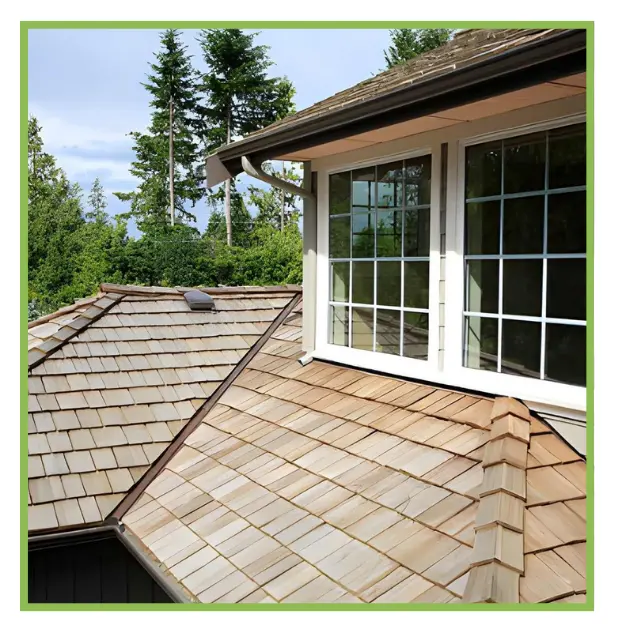
Enviroshake offers the traditional appearance of cedar shake roofing through an engineered composite roofing system. For homeowners who appreciate the character of a shake roof but want an alternative to natural cedar, it offers another option worth exploring.
Its engineered composition and reduced reliance on the maintenance associated with natural cedar make it an interesting choice for North Vancouver’s damp climate. While no roofing material is entirely immune to moss or debris, choosing a suitable roofing system can help reduce some of the maintenance challenges homeowners face.
Frequently Asked Questions About Roof Moss
1. Why do roofs in North Vancouver get so much moss?
North Vancouver’s frequent rainfall, damp coastal climate and mature tree canopy create ideal conditions for moss growth. Shaded roof slopes, particularly those facing north, often stay damp longer and are more susceptible to moss.
2. Does moss damage asphalt shingles?
It can. Established moss retains moisture and can grow beneath shingle edges, potentially lifting or disturbing them. Over time, this can contribute to premature wear and interfere with proper water drainage.
3. Is it safe to pressure wash moss off a roof?
Pressure washing is generally not recommended because the force of the water can damage shingles and other roofing materials. Aggressive scraping can also cause damage. Moss should be addressed using methods appropriate for the specific roofing system and the manufacturer’s recommendations.
4. How can I prevent moss from growing on my roof?
Keep gutters and roof valleys clear of debris, trim overhanging branches where practical, and arrange periodic roof inspections. These steps help improve drainage, reduce shade and identify early moss growth before it becomes more established.
5. Does metal roofing or Enviroshake prevent moss growth?
Neither material is completely moss-proof, but both offer advantages worth considering. Metal’s smooth surface generally provides fewer places for moss to establish, while Enviroshake offers an engineered alternative to natural cedar with different maintenance considerations. Both can be attractive options for homeowners looking to reduce some of the maintenance challenges associated with traditional roofing materials.
Protecting Your Roof in North Vancouver
Moss is a common challenge for North Vancouver homeowners, but regular maintenance and early attention can go a long way toward protecting a roof. Keeping drainage areas clear, managing overhanging vegetation and arranging periodic inspections all help reduce the risk of moss-related problems.
If your roof is approaching the end of its lifespan, it may also be worth looking beyond the material you currently have. Metal roofing and Enviroshake are two options that offer distinct advantages for homeowners looking for durable, lower-maintenance roofing systems suited to local conditions.
Eco Exteriors helps North Vancouver homeowners explore roofing options that balance durability, appearance, environmental considerations and long-term maintenance. Contact our team to arrange a consultation and discuss the best roofing solution for your home.