Cedar roofing is one of the most beautiful roofing options for homes on the North Shore. Its natural texture and warm appearance complement everything from traditional homes to modern properties.
But cedar is a natural wood product, and our coastal climate puts it through a lot. Rain, shade, humidity, moss, falling debris, and periods of intense summer sun can all affect how a cedar roof ages.
The good news is that proper maintenance can go a long way toward protecting your investment and helping your cedar roof reach its full potential lifespan.
Wondering how long you can expect your cedar roof to last? Read our guide How Long Does a Cedar Roof Last in North Vancouver? to learn more about cedar roofing lifespan, the factors that influence its durability, and what you can expect over the years.
Here are the most important things North Vancouver homeowners should know about protecting a cedar roof.
1. Keep It Clean and Free of Moss
This is the single most important maintenance task on the North Shore.
Moss acts like a sponge. It traps moisture against the cedar shakes or shingles, preventing them from drying properly. Over time this can lead to:
- Premature rot
- Splitting and cracking
- Curling
- Reduced lifespan
Best practice:
- Inspect the roof annually
- Remove moss before it becomes established
- Keep valleys and shaded areas especially clean
- Avoid aggressive pressure washing
A cedar roof should be cleaned gently. High-pressure washing can erode the wood fibers and shorten the roof’s life.
2. Trim Overhanging Trees

Many North Vancouver cedar roofs sit beneath large cedars, firs, hemlocks, and maples.
Trees create three challenges:
Shade
Shade keeps the roof wet longer after rainfall.
Debris
Needles and leaves can collect in valleys and gutters, holding moisture against the roof.
Physical Damage
Branches rubbing against the roof can wear away the cedar surface.
Best practice:
- Maintain several feet of clearance between branches and roof surfaces.
- Remove dead or rubbing limbs.
- Keep valleys clear of needles and leaves.
This is particularly important for homes surrounded by mature forest, where the roof may receive very little direct sunlight.
3. Keep Gutters Flowing

Overflowing gutters can create chronic moisture problems along roof edges.
Watch for:
- Overflow during heavy rain
- Gutters packed with needles
- Downspouts backing up
Best practice:
Clean gutters at least once or twice annually, and more frequently if your home is heavily treed.
Keeping water moving away from the roof and foundation is a small maintenance task that can prevent much bigger problems.
4. Ensure Proper Attic Ventilation
Many homeowners think cedar roof failures are caused by rain from above. Quite often, the real culprit is moisture from below.
Poor attic ventilation can lead to:
- Condensation
- Excess heat buildup
- Premature aging of cedar
- Mold growth
- Deck deterioration
Signs include:
- Frost in winter
- Moisture on attic sheathing
- Musty attic smells
- Excessively hot attic temperatures in summer
A properly ventilated attic helps cedar dry evenly and perform as intended.
This is one reason roof maintenance shouldn’t only focus on what you can see from the ground. The condition of the attic and roof assembly can have a significant impact on the lifespan of the roof above it.
5. Replace Damaged Shakes Early
One cracked or missing shake isn’t usually an emergency. Ten neglected ones can become one.
Inspect periodically for:
- Cracks
- Splits
- Missing pieces
- Excessive curling
- Impact damage
Small repairs are generally far less expensive than waiting until moisture reaches the roof deck.
When damaged cedar is identified early, it may be possible to address the affected area before deterioration spreads to surrounding materials.
If you’re considering exploring alternative materials that have the appearance of cedar roofing, take a look at our comparison of Enviroshake vs. Cedar Roofing: What’s the Difference?, where we examine the differences in appearance, durability, maintenance and long-term value.
6. Be Careful With Roof Treatments
Homeowners are often offered:
- Moss treatments
- Preservatives
- Waterproofing products
- Stains
Some products can be beneficial, while others may trap moisture or cause uneven weathering.
The right treatment depends on:
- Roof age
- Cedar grade
- Exposure conditions
- Existing roof condition
Before applying any product, it’s worth consulting a contractor experienced with cedar roofing specifically.
A treatment that sounds beneficial in theory isn’t necessarily appropriate for every cedar roof. The condition and construction of the individual roof should be considered first.
7. Understand Cedar’s Natural Aging Process
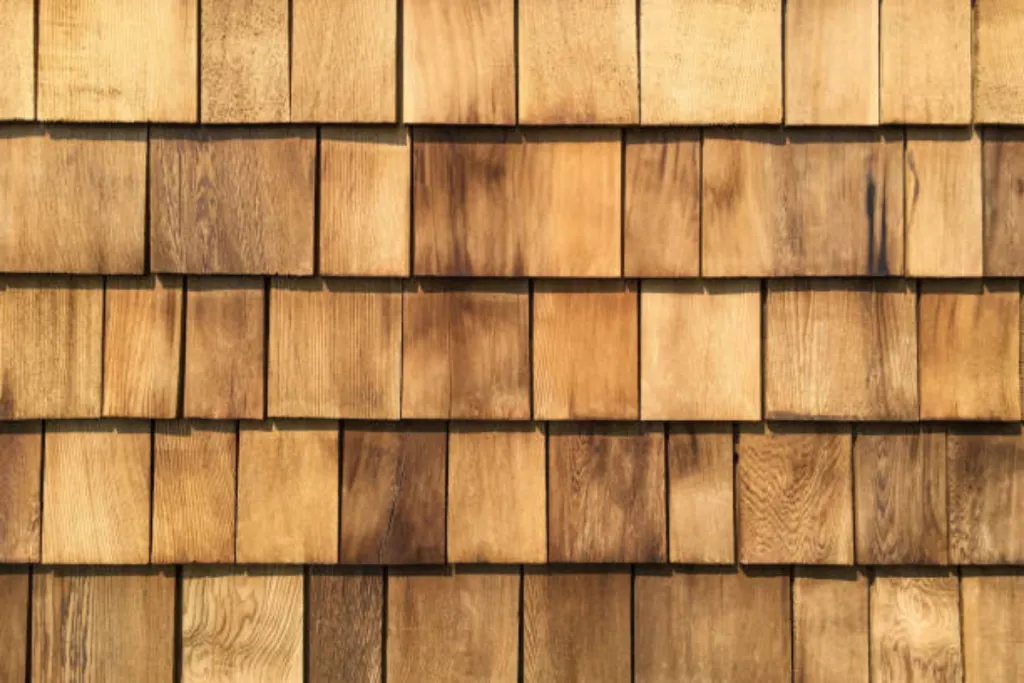
A healthy cedar roof changes appearance over time.
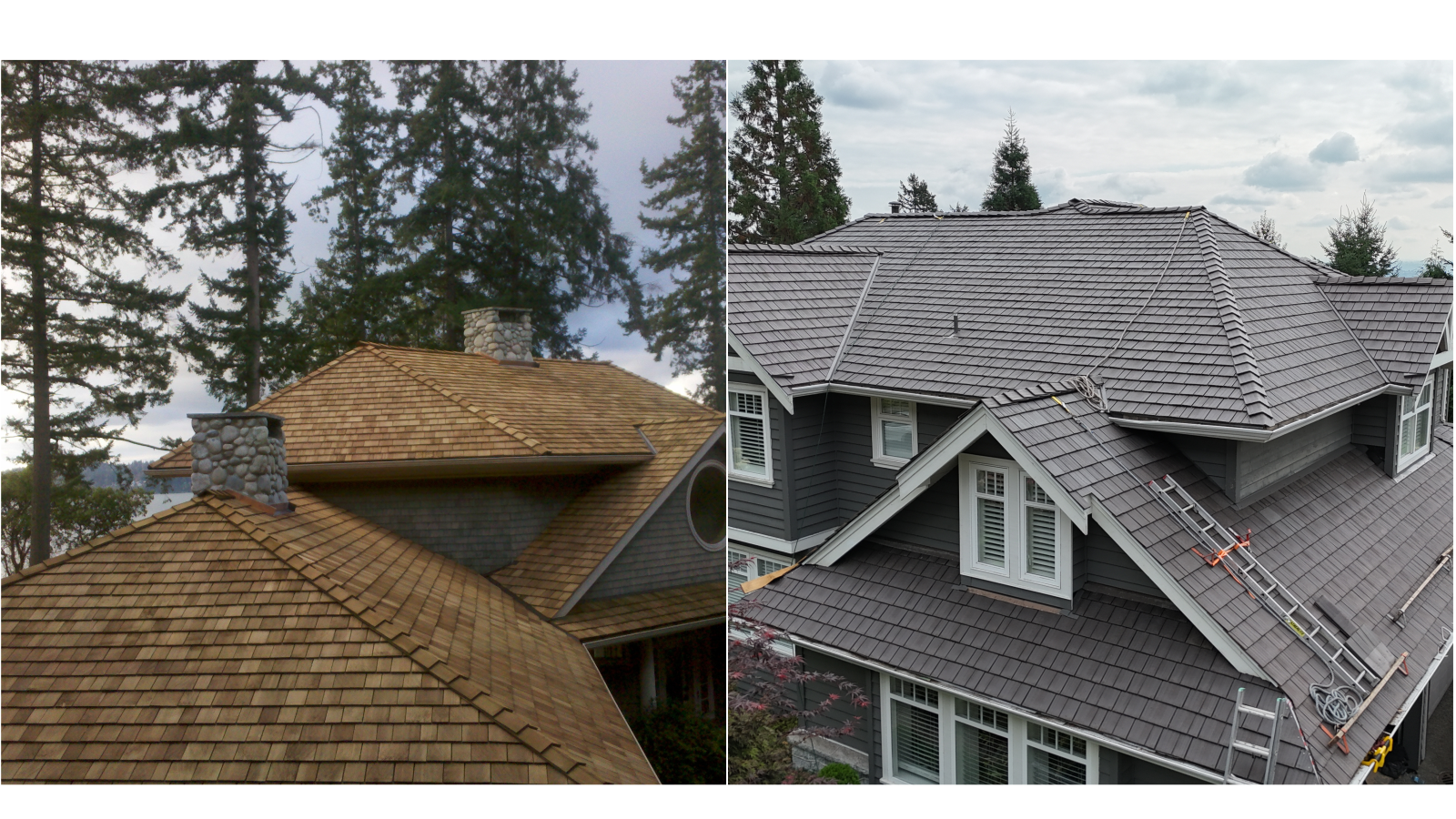
New cedar typically starts with warm brown tones and gradually weathers into a silver-gray color. This color change is normal.
What isn’t normal:
- Soft spots
- Severe cupping
- Deep splitting
- Persistent moss coverage
- Rot
Don’t judge roof condition by color alone.
Weathering is part of the natural character of cedar. What matters more is whether the wood remains structurally sound and capable of protecting the home.
8. Schedule Professional Inspections
For North Vancouver-area homes, a professional inspection every few years can catch issues before they become expensive.
An experienced cedar roofing contractor can identify:
- Hidden moisture problems
- Ventilation issues
- Early deterioration
- Flashing failures
- Moss growth in difficult-to-see areas
This is especially valuable for homeowners who cannot safely access or closely inspect their roof themselves.
A professional inspection can also help distinguish normal weathering from signs that the roof needs repair or more extensive attention.
What Shortens a Cedar Roof’s Life the Most?
Here are the biggest lifespan killers for cedar roofs in Greater North Vancouver:
- Moss and algae buildup
- Poor attic ventilation
- Overhanging trees
- Blocked gutters
- Delayed repairs
- Improper cleaning methods
When those issues are controlled, a quality cedar roof can often provide decades of service while maintaining the natural character that makes cedar so popular on the North Shore.
Quick Cedar Roof Maintenance Checklist
Use this checklist to stay ahead of common cedar roofing problems:
- Annual roof inspection
- Remove moss early
- Clean gutters regularly
- Trim overhanging branches
- Check attic ventilation
- Replace damaged shakes promptly
- Schedule professional inspections every few years
- Avoid pressure washing
Frequently Asked Questions About Cedar Roof Maintenance
How often should a cedar roof be inspected in North Vancouver?
A cedar roof should be professionally inspected at least once a year, particularly in North Vancouver, where heavy rainfall, tree coverage and persistent moisture can accelerate deterioration. Regular inspections help identify damaged shakes, moss growth, flashing issues and potential moisture problems before they become expensive repairs.
Can you pressure wash a cedar roof?
Pressure washing is generally not recommended for cedar roofing. High-pressure water can damage the wood fibres, dislodge shakes and shorten the roof’s lifespan. Gentle, cedar-appropriate cleaning methods are preferable.
How do you prevent moss from growing on a cedar roof?
Regularly removing leaves, branches and other organic debris is an important first step. Trimming overhanging trees can improve sunlight and airflow, while keeping gutters clear helps prevent excess moisture accumulation. Periodic inspections also help identify early moss growth.
Should cedar roof shakes be replaced individually when damaged?
Yes, in many cases. Individual split, cracked or damaged shakes can often be replaced without requiring an entire roof replacement. Addressing localized damage promptly helps prevent water intrusion and protects the surrounding roofing system.
How does attic ventilation affect a cedar roof?
Proper attic ventilation helps manage heat and moisture beneath the roof. Poor ventilation can contribute to condensation and moisture-related problems, potentially accelerating deterioration of the roofing structure. A properly balanced ventilation system is an important part of overall roof maintenance.
When is the best time of year to maintain a cedar roof in North Vancouver?
Spring and early fall are generally good times for inspections and maintenance. Spring inspections can identify damage from winter storms, while fall maintenance helps prepare the roof for the heavy rainfall ahead.
Protect Your Cedar Roof Before Problems Start
Cedar roofing rewards homeowners who stay ahead of maintenance. In North Vancouver’s wet, heavily forested environment, keeping the roof clean, allowing it to dry properly, maintaining surrounding trees and gutters, and addressing small problems early can make a significant difference.
For homes in heavily forested areas of West Vancouver and North Vancouver, staying ahead of moss and moisture is especially important. A little preventative maintenance can help protect the wood, preserve the roof’s natural appearance, and reduce the likelihood of expensive repairs later.
If you’re unsure about the condition of your cedar roof, a professional inspection is a good place to start. Understanding what is happening with the roof today gives you the opportunity to address small issues before they become much larger ones.